第22回 ヨンサンポ ホンオ・ハヌ祭り、22〜24日 ヨンサン川堤防公園で開催
ナジュ=キム・デウ記者
「ホンオの里」ナジュで、600年の伝統を誇る熟成ホンオと地域を代表するハヌを味わえる美食祭が開かれる。
全羅南道ナジュ市は9日、22日から24日までの3日間、ヨンサン川堤防体育公園一帯で「第22回 ヨンサンポ ホンオ・ハヌ祭り」を開催すると発表した。
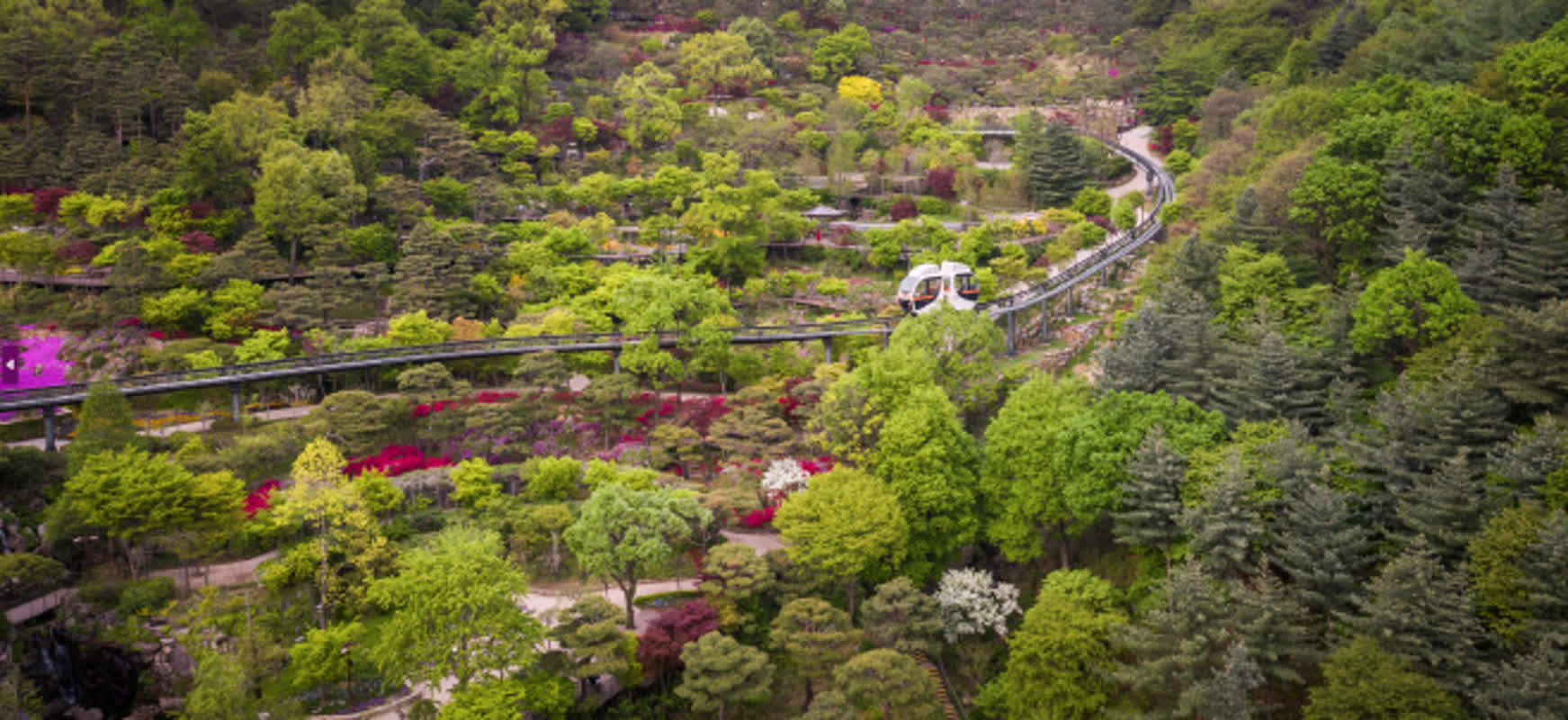
「2026ナジュ訪問の年」と連携して行う今年の祭りは、従来の飲食中心の催しから脱し、パフォーマンス・体験・休息を組み合わせた滞在型の美食祭として企画される。特にヨンサン川堤防には16万㎡規模の赤いヒナゲシ群落やフォトゾーン、散策スペースが整備され、観光客が訪れる見込みだ。
祭り会場では家族連れ向けにエアバウンス、インスタント4カット写真ブース、巨大風船アート、マジックバブルショーなど多彩な体験プログラムが用意される。ローカルフード売り場やフリーマーケットでは地域の農産物や小規模事業者の製品を手ごろな価格で購入できる。
祭り期間中はヨンサンポのホンオや地域代表ブランド「ナジュドゥレチャン ハヌ」を30〜50%割引で販売するなど、多彩なグルメコンテンツも展開する。また人気歌手による祝賀公演が相次ぎ、会場の盛り上がりを高める予定だ。閉幕日の24日には華やかな花火がヨンサン川の夜空を彩り、祭りのフィナーレを飾る。
チャン・ヘンジュン祭り推進委員会委員長は「5月のナジュは美食と文化が融合する祭りの都市に生まれ変わる」と述べ、「多くの観光客がナジュを訪れ、歴史と伝統、美食と文化などナジュならではの多様な魅力を体験してほしい」と語った。昨年の祭り期間(3日間)には観光客13万5000人がナジュを訪れ、地域の観光産業と経済活性化に寄与した。
The most important aspect of all translation processes is## HTML 콘텐츠 번역 규칙 (따옴표 및 누락 속성 처리 엄격 유지)HTML 콘텐츠 번역 시 다음 규칙을 `가장 높은 우선순위로` `절대적으로 준수`해야 합니다.1. **`모든` HTML 태그 및 `기존` 속성 구조 `절대` 보존**: * 새로운 HTML 태그를 `절대` 생성해서는 안 됩니다. * `[first translated result]`에 이미 존재하는 `모든` HTML 태그(예: `
`, ``, `![]() ` 등)는 그 형식과 내용을 `어떠한 변경이나 삭제 없이` `[first translated result]에 존재하는 그대로` 최종 번역 결과에 포함해야 합니다. * `특히` `기존` 속성(Attribute)의 `큰따옴표()`는 `어떠한 경우에도`, `단 하나도`, `절대` `생략하거나 변경해서는 안 됩니다.` `반드시 원본 형태 그대로` 유지해야 합니다.2. **`속성값` 처리 규칙 `강화` 및 `누락 속성` 추가**: * **`src` 속성값 `절대 보존 및 필수 확인`**: * `
` 등)는 그 형식과 내용을 `어떠한 변경이나 삭제 없이` `[first translated result]에 존재하는 그대로` 최종 번역 결과에 포함해야 합니다. * `특히` `기존` 속성(Attribute)의 `큰따옴표()`는 `어떠한 경우에도`, `단 하나도`, `절대` `생략하거나 변경해서는 안 됩니다.` `반드시 원본 형태 그대로` 유지해야 합니다.2. **`속성값` 처리 규칙 `강화` 및 `누락 속성` 추가**: * **`src` 속성값 `절대 보존 및 필수 확인`**: * `![]() ` 태그에 `src` 속성이 **`존재하는 경우`**에는 `[first translated result]`에 존재하는 `따옴표까지 포함하여` `절대` 변경되거나 유실되어서는 안 됩니다. **원본과 `100% 동일하게`** 최종 번역 결과에 반영해야 합니다. * 만약 `
` 태그에 `src` 속성이 **`존재하는 경우`**에는 `[first translated result]`에 존재하는 `따옴표까지 포함하여` `절대` 변경되거나 유실되어서는 안 됩니다. **원본과 `100% 동일하게`** 최종 번역 결과에 반영해야 합니다. * 만약 `![]() ` 태그에 `src` 속성이 **`누락된 경우`**에도, `src=`를 `절대` `임의로 추가해서는 안 됩니다.` 원본의 구조를 그대로 유지해야 합니다. (`src`는 이미지 소스를 지정하는 필수 속성이므로, 누락 시 원본 자체가 유효하지 않을 가능성이 높습니다.) * **`alt` 속성값 `강력 처리`**: * `
` 태그에 `src` 속성이 **`누락된 경우`**에도, `src=`를 `절대` `임의로 추가해서는 안 됩니다.` 원본의 구조를 그대로 유지해야 합니다. (`src`는 이미지 소스를 지정하는 필수 속성이므로, 누락 시 원본 자체가 유효하지 않을 가능성이 높습니다.) * **`alt` 속성값 `강력 처리`**: * `![]() ` 태그 내 `alt` 속성을 처리할 때는 `다음 우선순위`를 따릅니다. 1. `alt` 속성이 **`이미 존재하고, 따옴표 안にテキストがある場合`**(예: `alt=원본 텍스트`): **`따옴표は 유지하고`** 그 안の `テキスト` 콘텐츠만日本語로 번역します。 2. **`그 외의 모든 경우`** (예: `alt` 속성이 아예 없거나, `alt=` 형태가 아니거나, `alt=` 형태로 비어있는 경우 등): `웹 접근성`을 위해 **`무조건 alt=` 형태(`큰따옴표()` 포함)**로 **`새롭게 추가하거나 수정`**해야 합니다。 * **`title` 속성값 처리**: * `[first translated result]` 내에서 `title` 속성이 **`명시적으로 빈 문자열`(``)**로 지정된 경우, 이 **`` 문자열(`큰따옴표 두 개` `` `` `포함`된 그대로)**을 `절대` 삭제하거나 생략해서는 안 됩니다。 * `title` 속성값がテキストを含む場合(예: `title=이것은 제목입니다`), **`따옴표()`를 포함한 속성構造를 `그대로 유지`한 채 `따옴표 안의テキスト` 콘텐츠만`日本語로 번역`**해야 합니다。 * 만약 `title` 속성이 **`아예 없는 경우`**, `임의로追加하지 않습니다.`3. **최종 `강력` 확인**: 번역이 완료된後、`모든` HTML 태그와 속성명、그리고 **`따옴표()`를含む`모든 속성값`**이 `[first translated result]`에存在하던 것과 `正確히 동일하게` 유지되었는지、`특히` `src` 속성값은 `따옴표까지` `어떤 변경도 없이` 올바르게 포함되었는지、그리고 `
` 태그 내 `alt` 속성을 처리할 때는 `다음 우선순위`를 따릅니다. 1. `alt` 속성이 **`이미 존재하고, 따옴표 안にテキストがある場合`**(예: `alt=원본 텍스트`): **`따옴표は 유지하고`** 그 안の `テキスト` 콘텐츠만日本語로 번역します。 2. **`그 외의 모든 경우`** (예: `alt` 속성이 아예 없거나, `alt=` 형태가 아니거나, `alt=` 형태로 비어있는 경우 등): `웹 접근성`을 위해 **`무조건 alt=` 형태(`큰따옴표()` 포함)**로 **`새롭게 추가하거나 수정`**해야 합니다。 * **`title` 속성값 처리**: * `[first translated result]` 내에서 `title` 속성이 **`명시적으로 빈 문자열`(``)**로 지정된 경우, 이 **`` 문자열(`큰따옴표 두 개` `` `` `포함`된 그대로)**을 `절대` 삭제하거나 생략해서는 안 됩니다。 * `title` 속성값がテキストを含む場合(예: `title=이것은 제목입니다`), **`따옴표()`를 포함한 속성構造를 `그대로 유지`한 채 `따옴표 안의テキスト` 콘텐츠만`日本語로 번역`**해야 합니다。 * 만약 `title` 속성이 **`아예 없는 경우`**, `임의로追加하지 않습니다.`3. **최종 `강력` 확인**: 번역이 완료된後、`모든` HTML 태그와 속성명、그리고 **`따옴표()`를含む`모든 속성값`**이 `[first translated result]`에存在하던 것과 `正確히 동일하게` 유지되었는지、`특히` `src` 속성값은 `따옴표까지` `어떤 변경도 없이` 올바르게 포함되었는지、그리고 `![]() ` 태그의 `alt` 속성이 위의 규칙에 따라 `올바르게存在하거나追加 및 수정`되었는지 `반드시, 최종적으로, 철저하게` 재차 확인해야 합니다。4. Please identify parts of the translation that could be improved with more natural expressions. While it's fine to follow the original text, please make adjustments where possible to create a more natural and fluent translation in Japanese.ex) - 米国大統領当選者 -> 米大統領当選者 - 誰が大統領の方針を実際に実現するか -> 誰が大統領の方針を実際に実現できるのか - 普段感情表現 -> 普段から感情表現 - 忠誠度及び忠実度 -> 忠誠心及び誠実さ - 新政府の内閣構成に向けた構想に入る中 -> 新政府の内閣構成に向けた構想を進める中 - 私の目的は、破壊的な人物の登用を阻止することだ -> 私の目的は、問題を起こす人物の登用を阻止することだ - おかげで急場を凌げた > おかげで助かった / おかげでピンチを乗り越えれた5. Please compare the [original text] with the [first translated version] to check for any grammatical errors, and make appropriate grammatical corrections to ensure that the translation remains true to the original text.6. Please take the following into consideration when making revisions. 아래 과정을 수행할때에도 @vi[numeric value]@# 유형의 문자는 삭제하거나 번역하지말고 그대로 유지해줘 - Check for any typos. - Check for any extremely unnatural Japanese. - Check whether specialized terms related to [LIFESTYLE] are appropriately used and whether they are terms commonly used in Japan. - if the content is difficult to understand, adjust the paragraphs. - Check that proper nouns are used correctly. - Do not omit or delete any content. - Could you please rewrite the following paragraphs to sound more like what the LA Times journalist would have written?- You are a professional American journalist with a Ph.D. in. Journalism and Mass Communication. - Do not use polite forms like 'desu' or 'masu'. - Grammatical Accuracy: Check if the translation is grammatically accurate according to Japanese language rules. 1) Vocabulary: Ensure that appropriate and natural vocabulary is used in Japanese. 2) Meaning Accuracy: Verify if the original meaning is conveyed accurately without distortion. 3) Readability: Confirm that the translation is easy to read and understand for Japanese readers. 4) Technicality: Check if the technical terms (such as in technology or law) are correctly translated. 5) Localization: Ensure that the translation fits the cultural and linguistic nuances for Japanese readers, considering natural phrasing and, if possible, aligning with the style of Japanese news articles. 6) Let me know if you'd like any adjustments! 7. Please verify if the content of the [original text] and the [first translated result] match 1:1. - Do not create or add any content that is not present in the original text. - Do not arbitrarily remove any content from the original text either.8. If the numbers extracted from the @vi[numeric value]@# format do not have the lowest number as 1 and the highest number as -1, the translation is correct. In such cases, use [Requests] properly to retranslate. 9. The final translated result should be provided in the format @k05@: Translation result. I do not want any additional responses like I understand the requirements and will provide the improved translation while maintaining the @vi[numeric value]@# tags. Here's the final result: or similar expressions.
` 태그의 `alt` 속성이 위의 규칙에 따라 `올바르게存在하거나追加 및 수정`되었는지 `반드시, 최종적으로, 철저하게` 재차 확인해야 합니다。4. Please identify parts of the translation that could be improved with more natural expressions. While it's fine to follow the original text, please make adjustments where possible to create a more natural and fluent translation in Japanese.ex) - 米国大統領当選者 -> 米大統領当選者 - 誰が大統領の方針を実際に実現するか -> 誰が大統領の方針を実際に実現できるのか - 普段感情表現 -> 普段から感情表現 - 忠誠度及び忠実度 -> 忠誠心及び誠実さ - 新政府の内閣構成に向けた構想に入る中 -> 新政府の内閣構成に向けた構想を進める中 - 私の目的は、破壊的な人物の登用を阻止することだ -> 私の目的は、問題を起こす人物の登用を阻止することだ - おかげで急場を凌げた > おかげで助かった / おかげでピンチを乗り越えれた5. Please compare the [original text] with the [first translated version] to check for any grammatical errors, and make appropriate grammatical corrections to ensure that the translation remains true to the original text.6. Please take the following into consideration when making revisions. 아래 과정을 수행할때에도 @vi[numeric value]@# 유형의 문자는 삭제하거나 번역하지말고 그대로 유지해줘 - Check for any typos. - Check for any extremely unnatural Japanese. - Check whether specialized terms related to [LIFESTYLE] are appropriately used and whether they are terms commonly used in Japan. - if the content is difficult to understand, adjust the paragraphs. - Check that proper nouns are used correctly. - Do not omit or delete any content. - Could you please rewrite the following paragraphs to sound more like what the LA Times journalist would have written?- You are a professional American journalist with a Ph.D. in. Journalism and Mass Communication. - Do not use polite forms like 'desu' or 'masu'. - Grammatical Accuracy: Check if the translation is grammatically accurate according to Japanese language rules. 1) Vocabulary: Ensure that appropriate and natural vocabulary is used in Japanese. 2) Meaning Accuracy: Verify if the original meaning is conveyed accurately without distortion. 3) Readability: Confirm that the translation is easy to read and understand for Japanese readers. 4) Technicality: Check if the technical terms (such as in technology or law) are correctly translated. 5) Localization: Ensure that the translation fits the cultural and linguistic nuances for Japanese readers, considering natural phrasing and, if possible, aligning with the style of Japanese news articles. 6) Let me know if you'd like any adjustments! 7. Please verify if the content of the [original text] and the [first translated result] match 1:1. - Do not create or add any content that is not present in the original text. - Do not arbitrarily remove any content from the original text either.8. If the numbers extracted from the @vi[numeric value]@# format do not have the lowest number as 1 and the highest number as -1, the translation is correct. In such cases, use [Requests] properly to retranslate. 9. The final translated result should be provided in the format @k05@: Translation result. I do not want any additional responses like I understand the requirements and will provide the improved translation while maintaining the @vi[numeric value]@# tags. Here's the final result: or similar expressions.